
The Brief
- Best For
- Gay couples, solo LGBTQ+ travellers, Pride visitors, first-timers to London
- Budget
- £80-250 per day per person depending on hotels and bars
- Do
- Old Compton Street in Soho on a Friday night, The Royal Vauxhall Tavern (RVT), Bardens Boudoir, London Pride in June/July
- Skip
- The packed tourist pubs around Covent Garden — walk ten minutes to Soho instead
London is one of the most LGBTQ+-friendly cities on earth.
That's not marketing copy — it's a legal and cultural reality. Same-sex marriage has been legal in England and Wales since 2014. The Equality Act 2010 provides comprehensive protection against discrimination in employment, housing, and services. Public attitudes are among the most accepting in the world: a 2023 YouGov poll found that 76% of UK adults believe same-sex relationships are neither wrong nor immoral. The Metropolitan Police operates a dedicated LGBTQ liaison officer network and has a significantly improved track record on hate crime response compared to a decade ago.
As a gay couple based in the UK, we think London competes directly with Amsterdam and Berlin for the title of Europe's best queer city. It has the scale, the history, the nightlife, and — crucially — the infrastructure to back up that reputation. This guide covers everything you need: where to drink, where to stay, which neighbourhoods feel most comfortable, and what London Pride is actually like.
Is London Safe for Gay Travellers?
Yes — London is one of the safest destinations in the world for LGBTQ+ travellers.
Practically speaking: you can hold hands, kiss your partner, and express your identity openly in central London without meaningful risk of harassment or violence. Soho, Vauxhall, Shoreditch, and Clapham — the main gay areas — are particularly safe environments where queer visibility is entirely normal.
That said, London is a large, multi-cultural city, and not every neighbourhood has the same atmosphere. Areas like Soho, Vauxhall, and Shoreditch are consistently welcoming. Other parts of the city are generally fine but you may attract occasional stares or comments. Use the same judgement you'd use in any major city.
Hate crime statistics: Reports of homophobic hate crime in London have risen in recent years — though this is largely attributed to increased reporting, not increased incidents. The Metropolitan Police takes LGBTQ+ hate crimes seriously. If you experience any incident, call 999 in an emergency or 101 for non-emergency reports.
Legal status: Sexual activity between same-sex adults is fully legal (age of consent 16, same as heterosexual). Same-sex marriage legal since 2014. Trans people can change the gender marker on their passport (though the Gender Recognition Certificate process remains contested politically as of 2025).
Our experience: We've visited London many times as a couple, stayed in Soho, eaten in Clapham, drunk in Vauxhall, and have never experienced anything other than complete normalcy. It is genuinely comfortable.
London's Gay Neighbourhoods
Soho — The Gay Village
Soho is London's historic gay village and the first port of call for most LGBTQ+ visitors. The heart of it is Old Compton Street, a 400-metre strip lined with gay bars, restaurants, and sex shops that has been queer space since the 1950s. It's more relaxed than it was in its 80s and 90s heyday — some venues have closed, and the area has gentrified considerably — but it remains unmistakably, unapologetically gay.
During the day: cafes, brunch spots, and the occasional window-shopping experience. From around 5pm on Friday and Saturday: one of Europe's most vibrant outdoor bar scenes. The street has outdoor seating licences on much of the strip, and on a warm evening it feels more like Southern European boulevard than central London.
The surrounding streets — Dean Street, Wardour Street, D'Arblay Street — have their own queer atmosphere with venues catering to different crowds and subcultures.
Getting there: Tottenham Court Road or Leicester Square on the Underground.
Vauxhall — The Club District
Vauxhall, south of the river, is where London's serious clubbing happens. In the 2000s and 2010s it was home to Europe's longest-running gay club scene, built around a cluster of venues under the railway arches. Some of the iconic clubs have closed (Area, Fire), but the scene persists.
The Royal Vauxhall Tavern (RVT) at 372 Kennington Lane is the anchor — a Grade II listed building from 1863, genuinely the oldest continuously running gay pub in London, and a UNESCO-nominated piece of queer heritage. Mandatory visit even if you don't drink.
The area is less convenient for tourists staying in central London (10-15 minutes on the Victoria line) but absolutely worth it for a Saturday night.
Getting there: Vauxhall on the Underground (Victoria line).
Shoreditch and East London — The Alternative Scene
East London's queer scene is younger, more politically engaged, and more deliberately alternative than Soho. Venues like The Glory (Haggerston), Dalston Superstore (Dalston), and Bethnal Green Working Men's Club (Bethnal Green) represent a different tradition — one focused on drag, performance art, and community rather than cruise bars and chart music.
If you want to see where London's queer creativity actually lives in 2025, come east. It's less accessible for first-time visitors but more interesting culturally.
Getting there: Overground to Haggerston or Dalston Junction; Central line to Bethnal Green.
Clapham — The Residential Gay Area
Clapham, south London, is where many gay Londoners actually live. It's less of a tourist destination and more of a neighbourhood — but it has bars, restaurants, and a notably comfortable queer atmosphere. The cluster around Clapham High Street and The Two Brewers on Clapham High Street is worth knowing.
Getting there: Northern line to Clapham Common or Clapham North.
Gay Bars in London: Our Picks
Soho
Ku Bar (30 Lisle Street) is the most accessible and busy of the Soho bars — packed Thursday through Saturday, two floors, mix of tourists and locals. Good starting point.
The Admiral Duncan (54 Old Compton Street) is one of the oldest gay pubs in Soho, a traditional British pub atmosphere with a dark corner for conversation. Famous for surviving the 1999 nail bombing — there's a memorial plaque. Deeply significant space.
Comptons of Soho (51-53 Old Compton Street) is the closest thing to a traditional London gay pub on the street — ground-floor bar with a more mature crowd, often busy from early evening.
G-A-Y Bar (30 Old Compton Street) is the mainstream commercial option — cheap drinks, chart music, younger crowd, always packed. Unpretentious fun.
Vauxhall
The Royal Vauxhall Tavern (RVT) is the essential visit — see above. Spit-and-sawdust atmosphere, genuine history, exceptional cabaret and drag programming.
Eagle London (349 Kennington Lane) is one of the capital's longstanding leather and bear bars — intimidating visually if that's not your scene, extremely welcoming if it is.
East London
The Glory (281 Kingsland Road, Haggerston) — best drag programming in London outside of West End venues. East London stalwart.
Dalston Superstore (117 Kingsland High St) — queer arts bar and basement club, diverse crowd, DJ nights and cultural programming.
Where to Stay in Gay London
Luxury: Pan Pacific London
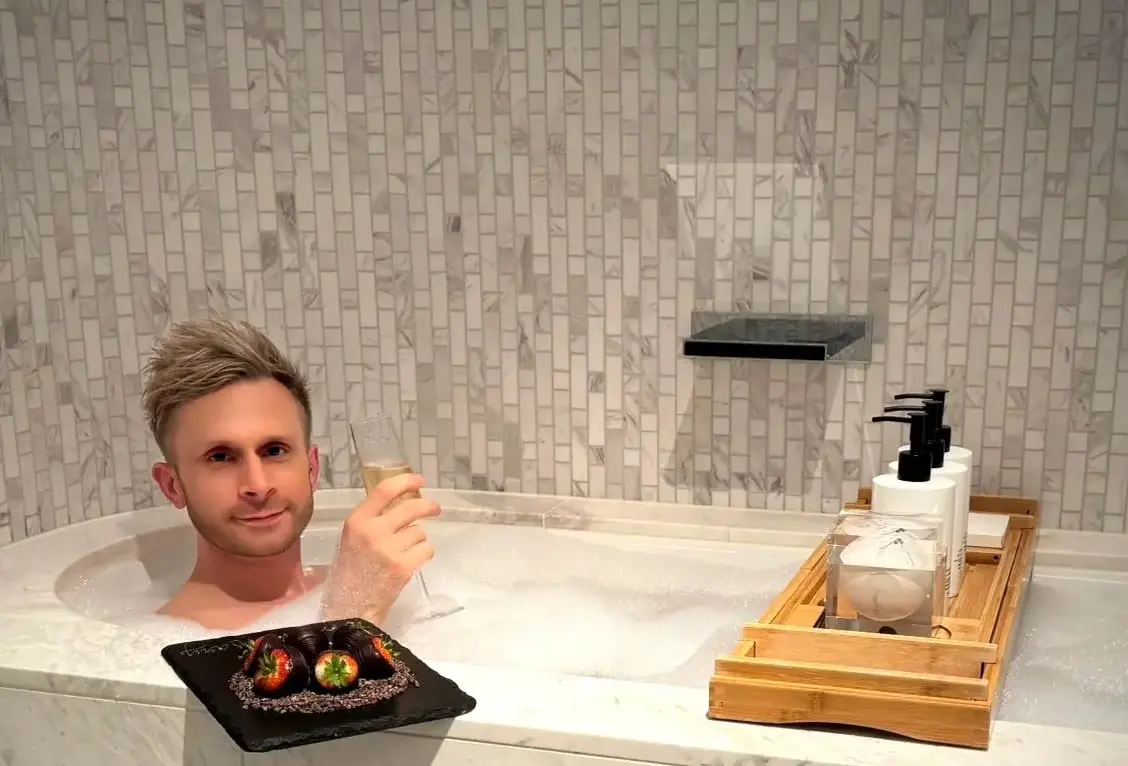
The best luxury hotel option for gay couples in London is, in our view, Pan Pacific London — not because it's in Soho (it isn't; it's in the City) but because the service is exceptional and genuinely inclusive, the infinity pool and spa are outstanding, and it's 15 minutes from Soho on the Central line. We reviewed it extensively — it's the hotel we'd choose for a special occasion.
Read our full Pan Pacific London review →
Price range: £350–600 per night. Amex Platinum Fine Hotels + Resorts benefits add the best value here (room upgrade, early check-in, late checkout, £100 credit).
Mid-range: citizenM Shoreditch or Bankside
citizenM's Shoreditch property puts you in the heart of east London's queer scene with design-led rooms and reliable quality at £120–180 per night. The Bankside property is better placed for daytime sightseeing.
Central / Soho: Soho Hotel by Firmdale
The Soho Hotel (4 Richmond Mews) is 50 metres from Old Compton Street — you cannot get more central to Soho's gay village. Kit Kemp-designed rooms, consistently welcoming staff, excellent Drawing Room bar. £250–450 per night.
Budget: Tune Hotel London Kings Cross or YHA London Oxford Street
Kings Cross has improved significantly and offers the best budget options near central London. YHA London Oxford Street is one minute's walk from Soho and remains the best budget option for solo travellers and backpackers who want to be in the middle of everything.
London Pride 2026
London Pride parade (officially Pride in London) is one of Europe's biggest and longest-running Pride events. The parade typically takes place in late June or early July, running through central and west London from Portland Place to Whitehall and Trafalgar Square.
2026 specifics: Official dates will be confirmed by Pride in London in early 2026. The 2025 parade took place in July. Check prideinlondon.org for the 2026 schedule.
What to expect: The parade is enormous — 300+ groups marching, 1.5 million+ attendees watching. Unlike Amsterdam WorldPride or Berlin CSD, it's deliberately accessible and family-friendly rather than club-oriented. The atmosphere along the route is jubilant and safe; Soho holds massive street parties before and after.
Our honest take: London Pride is more spectacle than community event — corporate sponsorship is very visible, and the political edge has softened considerably. But the sheer scale and atmosphere make it worth attending at least once. For a more political, more community-focused experience, Berlin CSD is the alternative.
Book early: Hotels in central London during Pride weekend are expensive and book up months in advance. Book 6+ months ahead.
Getting Around London as a Gay Traveller
London's tube and bus network is comprehensive and safe. Night Tube (Friday and Saturday on key lines) means you can stay out until dawn without worrying about getting home. TfL staff are trained in LGBTQ+ inclusion.
Soho to Vauxhall: Victoria line from Oxford Circus to Vauxhall, 10 minutes.
Soho to Shoreditch: 20-minute walk or Central line to Liverpool Street, then Overground.
Soho to Clapham: Northern line from Leicester Square, around 20 minutes.
Practical Information
Currency: British Pounds Sterling (£GBP). Contactless card payment is accepted virtually everywhere.
Language: English. No additional languages needed for practical travel.
Electricity: UK plugs (Type G, 230V). Non-UK visitors need an adapter.
Weather: London weather is famously unpredictable. For Pride season (June/July) expect 18–25°C but plan for rain regardless.
Healthcare: If you need medical help during your visit, NHS urgent care centres are available across the city. LGBTQ+-specific sexual health services include the 56 Dean Street clinic in Soho — one of the most comprehensive HIV/sexual health services in the world.
Emergency contacts: 999 (police/ambulance/fire). 101 (non-emergency police). Galop LGBTQ+ Anti-Violence Charity helpline: 0800 999 5428.
The Bottom Line
London is as close to a guaranteed safe, welcoming LGBTQ+ destination as you'll find on earth. The infrastructure is excellent, the scene is diverse, the protections are comprehensive, and the culture is genuinely accepting. Whether you want glamourous five-star hotels and polished cocktail bars in Soho, underground drag nights in east London, or a historic pub in Vauxhall where queer history is literally built into the walls — London has it.
We'll be updating this guide throughout 2026 as London's scene evolves. If you have questions about a specific trip, drop us a message.
Pan Pacific London Review: Is This City of London Hotel Worth It With Amex Platinum?
Our honest Pan Pacific London review: a luxurious weekend stay using Amex Platinum Fine Hotels + Resorts benefits. From suite upgrades to infinity pool views, here's what we really thought.

Virgin Atlantic Free to Be Me: Finally, an Airline Gets It
Virgin Atlantic Free to Be Me launched October 2025 with Rainbow Maker consultations, Pride Certified hotels, and destination guides. We examine if it's marketing or meaningful change for LGBTQ+ travellers.
Manchester Pride 2025: Good, But Not the Best (Honest Review)
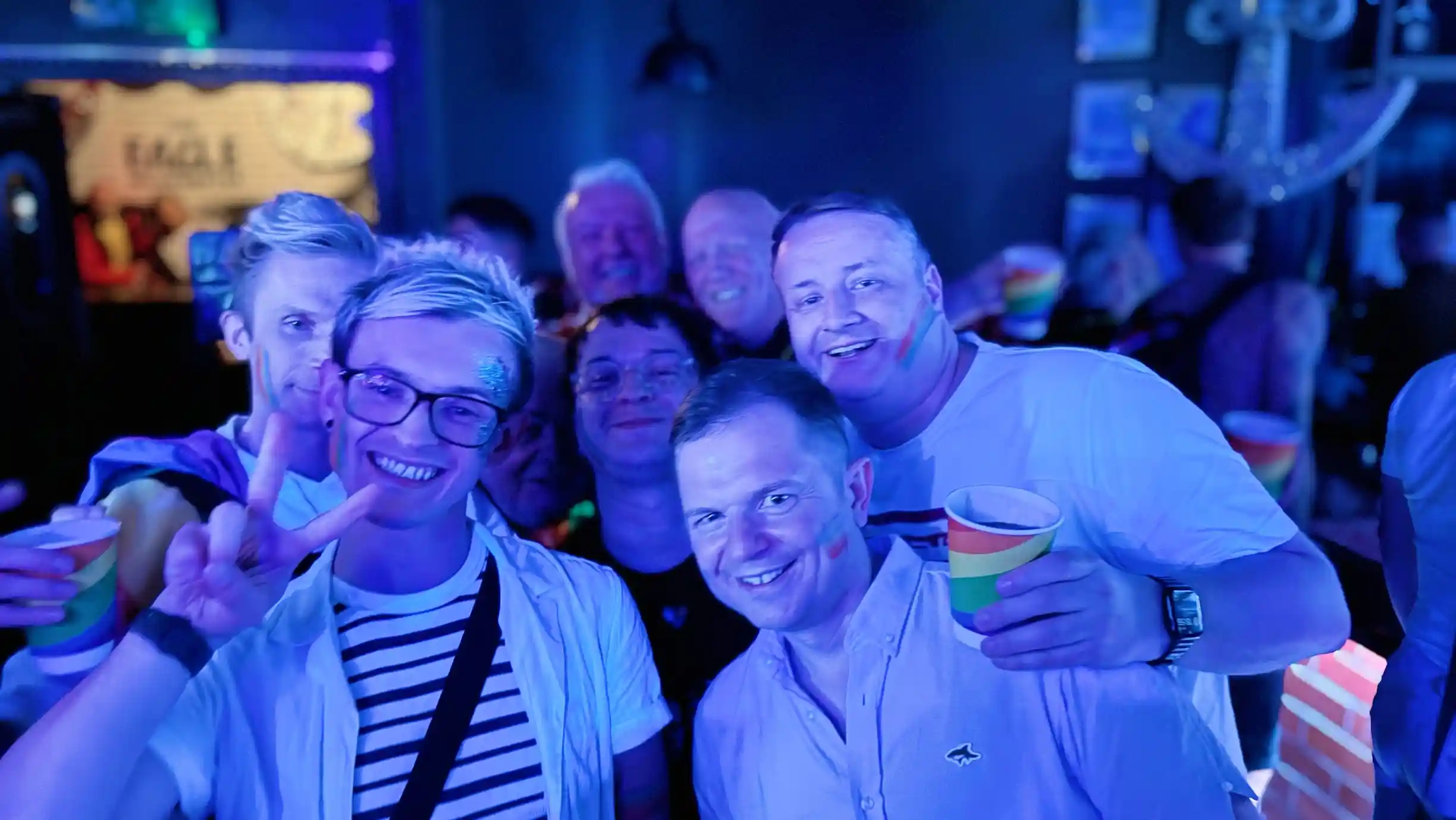
After 12 years living in Manchester and attending Pride events worldwide, here's our honest take: Manchester Pride is solid for the UK, but increasingly commercial. The parade, Gay Village, and what you need to know before you go.