The Brief
- Best For
- Couples seeking authentic jungle immersion without sacrificing comfort, wildlife enthusiasts with realistic expectations, travellers wanting English-speaking guides
- Budget
- $$
- Do
- Overnight jungle camping where you'll build your own fire and sleep in hammocks (properly surreal when you wake at 2am to jungle noises)
- Skip
- If you need air conditioning, have limited mobility for jungle treks, or expect guaranteed jaguar sightings
Jump to the good bits
The Reality of an Amazon Rainforest Tour
Getting To Tupana Lodge: The 5 Hour Reality
The Lodge: Basic Done Well
The Activities What We Actually Did
Overnight in the Jungle: The Honest Account
Wildlife We Actually Saw
LGBTQ+ Safety & Practical Reality
Practical Information
Common Mistakes to Avoid
The Verdict
The Reality of an Amazon Rainforest Tour
Here's what nobody tells you about sleeping in the Amazon jungle: you'll need to wake your partner at 2am (sorry, Alex!) because there's no chance you're walking into the darkness alone to wee. Even with a head torch.
We spent 4 days and 3 nights at Amazon Tupana Lodge, 178km south of Manaus, on an Amazon rainforest tour that cost US$533 per person (when we booked in 2023). One of those nights was in the actual jungle, sleeping in hammocks with mosquito nets, surrounded by sounds we'd only heard in films. Was it comfortable? No. Would we do it again? Absolutely.
This isn't something you'd typically catch us doing. We're more rooftop bars than rainforest. But we wanted to experience the Amazon properly, not just tick it off from a day trip. Tupana offered that balance: authentic immersion with a comfortable base to return to. Well, mostly comfortable.
DETAILS BOX
Cost: US$533 per person (Triple Bungalow, 4 days/3 nights)
Includes: All meals except alcohol, transfers from Manaus, English-speaking guides, all activities - complete bargin for what we did, saw and ate!
Duration: 4 days, 3 nights (1 night jungle camping, 2 nights lodge)
When to go: June sits between seasons; high water great for canoeing, dry season (July-January) better for wildlife
Getting there: 5+ hours in 4 stages from Manaus (see logistics section)
Don't miss: Overnight jungle camping, pink dolphin feeding, making açaí with local family
Skip if: You need air conditioning, have mobility issues, expect guaranteed big cat sightings
vs Juma Amazon Lodge: Juma costs US$650-800pp for similar duration but includes swimming pool, hot water showers, and larger bungalows. Tupana at US$533pp with basic facilities wins for budget-conscious travellers wanting authentic experience over luxury. You're here for the jungle, not the amenities.
WORTH IT? Yes, for anyone wanting genuine Amazon immersion without £4,000 luxury cruise prices. The guides made it. The food surprised us. The overnight camping terrified and exhilarated in equal measure. Best for couples or friends comfortable getting properly out of their comfort zone.
Getting to Tupana Lodge: The 5-Hour Reality
The journey to Amazon Tupana Lodge takes 5 hours minimum, spilt into 4 stages:
Stage 1 (20min): Van from your Manaus hotel to Ceasa port at 7am. Standard transfer.
Stage 2 (20min): Speedboat from Ceasa to Vila do Careiro. This is where you see the Meeting of the Waters, the natural phenomenon where the dark Rio Negro meets the sandy-coloured Solimões River. They flow side by side for 6km without mixing due to different temperatures, speeds, and densities. Worth the early start just for this.
Stage 3 (2.5hrs): Van along BR-319 highway. This is the mission bit. The road's partly destroyed (it once connected Amazonas to the rest of Brazil), so it's bumpy. We stopped to photograph Vitoria Amazonica (giant water lilies) and a pineapple plantation which was the start of lots of very cool sights!
Stage 4 (20min): Final boat transfer on the lodge's own vessel up Rio Tupana.
We arrived at 12.30am, hot, sweaty and 100% ready for lunch.
Baggage limit: 10kg per person, soft bags only. They're not joking. Excess luggage can be stored free at their Manaus office. We however kept the hotel room in Manaus for the duration of the trip and just took the essentials as we were going to be checking back in on our return and the room was incredibly cheap. It seemed easier than lugging bags around.
The Lodge: Basic Done Well
Amazon Tupana has 12 rooms across three categories. We stayed in a Triple Bungalow: fan (no air conditioning), veranda overlooking the river, private bathroom with cold water only. Rustic but spotlessly clean with a towel animal when we arrived.
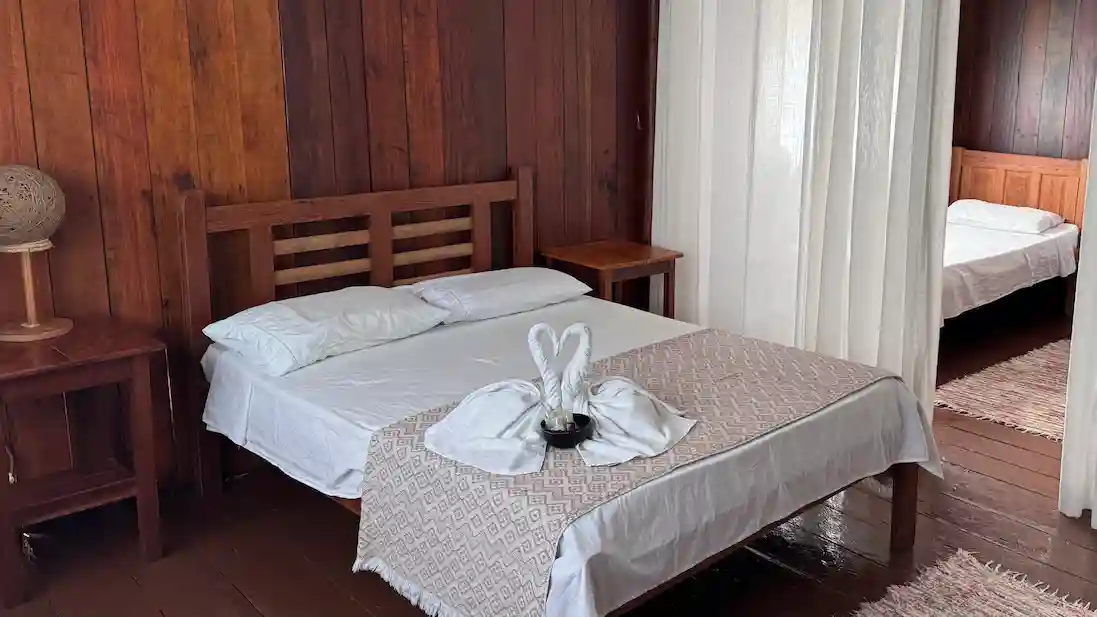
The lodge runs on generator power (110v) from certain hours. You're here to disconnect. There's no WiFi. No phone signal. Just the sound of the Tupana River and whatever's howling in the trees.
The food shocked us. Breakfast, lunch, and dinner included, all fresh and plentiful. Think rice, beans, fresh fish from the Amazon (we ate what we saw swimming past), chicken, tropical fruit. The guides caught piranha on one trip, and we ate them that evening. Only alcohol costs extra, which we knew but it's very resonably priced.
Between activities, we'd take the canoes out ourselves, swim in the river (yes, with the piranhas), or sit in the game room watching the water. The lodge donates 20% of profits to local communities and employs local young people. You notice the pride staff take in their work.
Worth noting: The rooms are simple. If you need luxury, this isn't it. But they're comfortable enough for collapsing into after a day of exploring a rainforest and the shower was functional (cold water only, but that was appreciated) and felt amazing after a long day trekking through humidity. The mosquito nets worked and we didn't get visited by too many cockroaches.
The Activities: What We Actually Did
Day 1: Reconnaissance and Night Spotting
After lunch, we headed out in motorised canoes to scope the area. Our guide Carlos pointed out trees, explained which plants hold water, showed us medicinal bark. The guides aren't just showing you around, they're teaching you how to survive here.
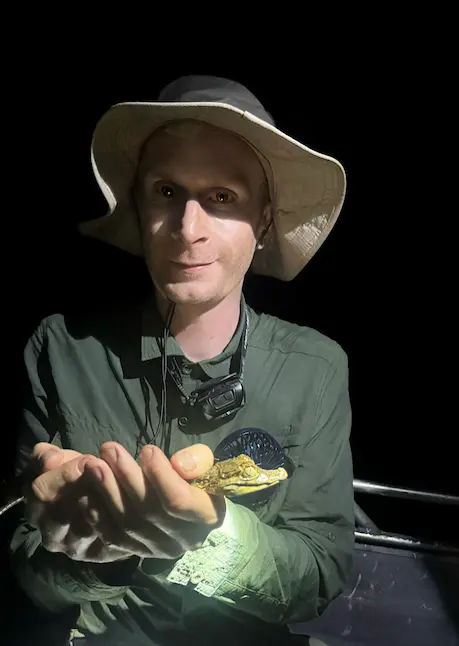
After dinner, we went back out for caiman spotting. The guides use torches to catch the reflection of their eyes on the water. We saw about 15 caimans, ranging from 1m babies to a 3m adult that made us grateful for the boat. The night sounds are something else: howler monkeys (they sound terrifying), frogs, insects creating a wall of noise you can almost touch.
Day 2: Jungle Trek and Piranha Fishing
Morning trek through proper jungle. Carlos led, machete in hand, pointing out poison dart frogs, tarantula holes, medicinal plants. The humidity hit 90%+. We saw monkeys swinging through canopy, heard more than we saw.
Afternoon piranha fishing. We didn't catch one. The water was too high (June is peak high-water season), so the fish had plenty of food and weren't fooled by tourists dangling meat off the side of a boat. Others in our group caught three. They went hungry enough to bite. We didn't feel like we missed out, the guides cooked the ones that were caught and we all shared.
Day 3: Pink Dolphins and Local Family Visit
Sunrise canoe trip at 5.30am to spot pink dolphins. Worth the early wake-up. We saw about 12 Amazon river dolphins, fed them fish (the guides handle this, you don't touch the dolphins), watched them play. They're smaller than you'd think, more grey than pink except when they surface and you catch the colour in certain light.
Later, we visited a local family. We collected açaí berries from palm trees, then mashed them to make the purple paste everyone's obsessed with. It's labour-intensive. We met Chicho the monkey, learned about their way of life, felt privileged they welcomed us. The guides stress respect: dress modestly, ask before photographing, don't treat it like a zoo.
Then the overnight jungle camping prep began.
Overnight in the Jungle: The Honest Account
This is what you came for, whether you know it or not.
We trekked 2km into the jungle carrying hammocks, mosquito nets, and minimal supplies. The guides taught jungle survival: finding water, identifying edible plants, first aid with what's around you. We built a camp, strung hammocks between trees, built a fire using techniques that would fail spectacularly if we tried them at home. Pluto the dog came too (he's the lodge mascot, a friendly doggy who knows the jungle well).
While waiting for dinner to cook, we made caipirinhas using limes and cachaça the guides brought. Sitting around the fire in the Amazon rainforest drinking cocktails we'd mixed ourselves felt surreal. Properly surreal.
The reality: You hang your shoes in tied bags to stop creepy crawlies setting up home overnight. You hear every sound the jungle makes (and it makes many sounds, constantly). At 2am, I needed the toilet. There was zero chance I was walking into that darkness alone, head torch or not. I woke Alex. He came with me. This is what boyfriends are for.
We slept fitingly well, actually. The hammocks with mosquito nets worked. The jungle cooling at night helped. Waking up to howler monkeys screaming through the trees at dawn is something you don't forget.
Wildlife We Actually Saw
Let's be realistic about Amazon wildlife spotting. You're not seeing jaguars. You might see monkeys, you'll definitely hear them. Here's what we saw over 4 days: (we wanted to see a snake but unfortunately not this time!)
- Pink dolphins: 12+ on the sunrise trip
- Monkeys: Howler monkeys (heard constantly, saw 6), spider monkeys (2), capuchin monkeys (8 in trees)
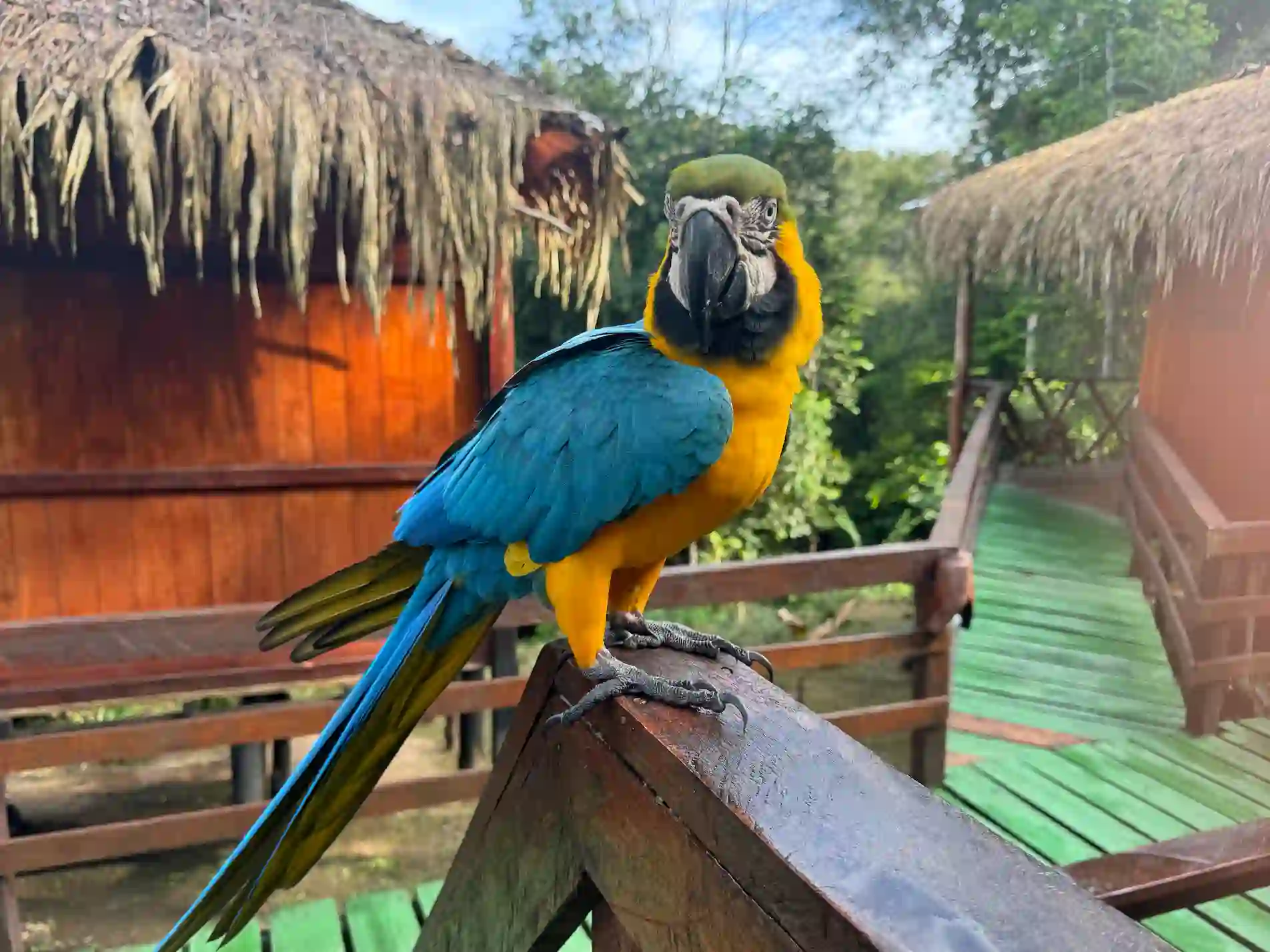
- Birds: alex (2 blue-and-yellow), parrots (everywhere), toucans (4), various herons and hawks
- Reptiles: Caimans (15+ on night spotting), tree frogs (dozens), one snake (non-venomous, Carlos assured us)
- Insects: Butterflies in every colour, leaf-cutter ants, beetles we couldn't name
- Mammals: Tapirs which is incredibly rare!
We didn't see: jaguars, anacondas, poison dart frogs (though we saw their habitat), sloths, Capybara.
The Amazon isn't a zoo. Wildlife is there but it hides. The guides know where to look, which sounds mean what, which trees attract which species. Trust their knowledge. Lower your National Geographic expectations.
LGBTQ+ Safety & Practical Reality
Is Brazil Safe for LGBTQ+ Travellers?
Brazil has strong legal protections: same-sex marriage since 2013, discrimination based on sexual orientation prohibited, homophobia and transphobia criminalized as forms of racism since 2019. Trans people can change legal documents based on self-determination.
The reality's more complex. Brazil reports the highest absolute number of LGBTQ+ murders globally, with 380+ in 2017 alone. Violence particularly affects trans women, especially trans women of colour. Major cities like São Paulo, Rio, and Manaus have thriving LGBTQ+ scenes and are generally safe. Smaller towns and rural areas remain conservative.
Our Experience at Tupana Lodge
We're two men travelling together and we felt completely safe throughout. The staff welcomed us warmly, other guests (a mix of international couples and families) were friendly, guides never made us feel uncomfortable.
Public displays of affection: We kept it subtle out of respect for local customs, not fear. Holding hands at the lodge felt fine, we didn't push it during the indigenous community visit.
Other queer guests: We didn't see any other obviously LGBTQ+ guests during our 4 days, but the group was small (10 people total).
Staff reactions: Professional and warm throughout. English-speaking guides made communication easy.
Remote Location Considerations
Tupana Lodge is 178km from Manaus in a biological reserve. There's no phone signal, no WiFi, no nearby medical facilities. The remoteness brings its own safety considerations:
- Medical: Basic first aid at lodge, nearest hospital is 5+ hours away in Manaus
- Communication: No way to contact outside world except via lodge satellite phone in emergencies
- Transport: You're dependent on scheduled transfers back to Manaus
This affects everyone equally, LGBTQ+ or not. But it's worth knowing you're genuinely remote.
Cultural Sensitivity
When visiting indigenous communities, dress modestly (you'll want to keep covered up anyway for the mosquitos), ask before photographing, follow the guides' lead. This applies to all visitors. LGBTQ+ travellers won't face specific issues here, but respect for local customs matters.
Safety Protocols
Emergency contacts:
- Brazil emergency number: 190 (police), 192 (ambulance), 193 (fire)
- Manaus police (English support): +55 92 3215-4200
- LGBTQ+ support Brazil: Grupo Gay da Bahia +55 71 3322-2552
- UK Foreign Office Brazil advice: gov.uk/foreign-travel-advice/brazil
Transport safety: All transfers included in package, guides handle everything. We never felt unsafe during any stage of the journey.
Our take: The Amazon rainforest doesn't care about your sexuality. The wildlife, the weather, the jungle itself treats everyone with equal indifference. We felt welcomed by staff and guides. Brazil's urban LGBTQ+ scene is vibrant, and that progressive attitude extended to the lodge. Would we recommend it to other LGBTQ+ travellers? Yes, without hesitation.
Practical Information
Money & Costs
Currency: Brazilian Real (BRL). Cards accepted in Manaus, cash only at the lodge.
Budget for 2 (4 days):
- Amazon Tupana Lodge package: US$1,066 (US$533pp)
- Alcohol at lodge: US$40-60 (beers, caipirinhas)
- Tips for guides: US$40-60
- Manaus accommodation (1 night before, 1 after): US$100-150
- Manaus meals: US$60-80
- Total: US$1,300-1,400 for two
ATMs: Get cash in Manaus before leaving. There's an ATM at Eduardo Gomes International Airport that accepts international cards.
Getting There
Flights to Manaus: Direct from São Paulo (4hrs), Rio de Janeiro (4hrs), Miami (6hrs), Panama City (4hrs). Book via LATAM or Gol Airlines.
Airport to Manaus city: 14km, taxi US$15-20, Uber US$10-15, 20min journey.
Transfers to Tupana: Included in package price, pick-up from your Manaus hotel at 7am.
When to Visit
High-water season (February-June): More flooded forest to explore by canoe, harder to spot wildlife on riverbanks, piranha fishing less successful (fish have abundant food). We visited June, transition between seasons.
Dry season (July-January): Better wildlife spotting as animals come to water, easier jungle trekking, successful piranha fishing. Water levels lower, some canoe routes inaccessible.
Temperature: 28°C average year-round. Humidity 80-90%. No escaping the heat.
Our recommendation: June or July for transition season benefits. Avoid January-March if you want successful fishing.
What to Pack
- Lightweight long-sleeve shirts (sun protection, mosquito protection)
- Long trousers that dry quickly
- Closed-toe shoes for jungle trekking (we wore hiking boots)
- Sandals for lodge and boat trips
- Swimming costume (river swimming is safe in designated spots)
- Sun cream SPF 50 minimum
- Insect repellent with high DEET (mosquitoes exist but weren't as bad as expected)
- Head torch (essential for night activities and jungle camping)
- Waterproof bag for phone/camera (humidity and sudden rain)
- Basic first aid kit
- Reusable water bottle (lodge provides filtered water)
Don't pack: Hair dryer (no use with generator power), fancy clothes (you'll wear the same trekking outfit daily), more than 10kg total.
Language
Guides speak English, Portuguese, and Spanish. The quality of English varies but Carlos (our main guide) was fluent. Other lodge staff speak basic English, enough for practical communication.
Useful Portuguese:
- Obrigado/Obrigada: Thank you (masculine/feminine)
- Bom dia: Good morning
- Quanto custa?: How much?
- Onde fica?: Where is?
Health & Safety
Vaccinations: Yellow fever recommended (required if travelling from affected areas). We had ours done at travel clinic in UK, you get a certificate that is then valid for life.
Malaria: Low risk in Manaus area but present. We personally didnn't take antimalarials but make sure to discuss with your GP.
Mosquitoes: Present but not overwhelming. The lodge provides mosquito nets for overnight camping. We used EXTRA strong DEET repellent which worked well.
Water: Drink only filtered/bottled water. Lodge provides filtered water at all meals.
Sun exposure: Equatorial sun is brutal even through forest canopy. We reapplied SPF 50 multiple times daily alongside the many topups of high-DEET insect repellent.
Common Mistakes to Avoid
Overpacking: The 10kg limit is firm. Soft bags only. One change of clothes, one pair of trekking shoes, swimwear. That's it. We saw someone arrive with a hard-shell suitcase. Awkward.
Wrong footwear: Flip-flops won't cut it for jungle trekking (yes, someone on our tour turned up in sliders and no, they weren't prepared). Closed-toe hiking boots or trail shoes essential. Your feet will get muddy, wet, and potentially encounter things you don't want touching skin.
Unrealistic wildlife expectations: You're not seeing jaguars. Accept this now. The Amazon is dense jungle where wildlife hides. You'll see monkeys, birds, caimans, insects. That's special enough without expecting BBC Earth footage.
Skipping the overnight camping: Some packages offer lodge-only options. Don't take them. The overnight jungle experience is uncomfortable, slightly scary, and absolutely the highlight. You'll remember the 2am toilet walk longer than any comfortable bed.
Not tipping guides: Local guides work hard in extreme conditions to keep you safe and educated. We gave US$20-30 per guide (there were two) for 4 days. They earned it.
The Verdict
We paid US$533 per person for 4 days and 3 nights at Amazon Tupana Lodge. That included all meals, transfers from Manaus (5+ hours in 4 stages), English-speaking guides, and activities ranging from piranha fishing to overnight jungle camping.
Was it comfortable? Not particularly. The overnight jungle camping meant hanging shoes in bags, waking your partner for 2am toilet runs, and sleeping in hammocks surrounded by sounds that evolution tells you to fear. The lodge itself runs on generator power with cold showers and no air conditioning.
Was it worth it? Completely.
The guides made the trip. Carlos taught us jungle survival, pointed out wildlife we'd have walked past, shared stories about growing up in the Amazon. The food surprised us, fresh and plentiful despite the remote location. The pink dolphins at sunrise felt like a privilege. Making açaí with a local family gave context beyond tourist photos.
Here's the thing: the Amazon rainforest doesn't care about your comfort. It's hot, humid, full of things that bite, and demands respect. Tupana Lodge offers authentic immersion without pretending it's easy. The price point sits perfectly between budget backpacker and luxury cruise. You're paying for genuine experience, not marble bathrooms.
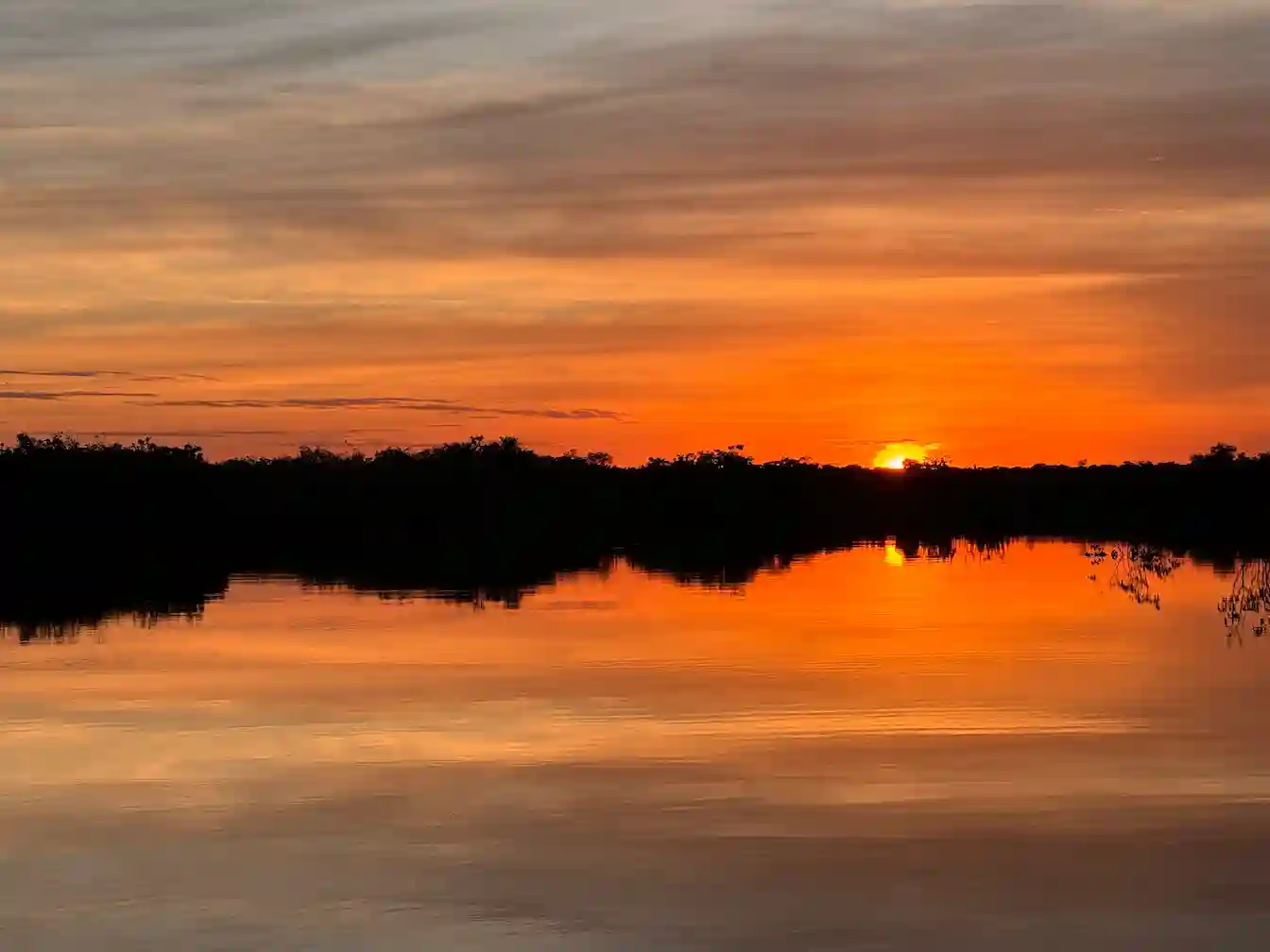
Best for: Couples seeking adventure beyond their comfort zone, wildlife enthusiasts with realistic expectations, travellers wanting English-speaking guides without luxury cruise prices, anyone curious what the Amazon actually feels like rather than what it looks like on Instagram.
Skip if: You need air conditioning to sleep, have mobility issues with jungle trekking, expect guaranteed big cat sightings, prefer comfort over authenticity, can't handle 5+ hours of transfers including rough roads.
Would we do it again? In a heartbeat.
Book via Brazil Nature Tours.
For more adventure travel guides and honest reviews, check out our Stays section. Or follow us on Instagram @boyfriendswhotravel where we're probably posting something embarrassing from our next trip.
Travel with us, always with love and a little luxe 🌈✈️
Gay Beaches Brazil: Ipanema Posto 9 & Copacabana
Discover Rio’s best gay beaches at Posto 9, Ipanema, and Copacabana. Insider tips for LGBTQ+ travelers, what to expect from vendors, and the lively, inclusive atmosphere.
Pan Pacific London Review: Is This City of London Hotel Worth It With Amex Platinum?
Our honest Pan Pacific London review: a luxurious weekend stay using Amex Platinum Fine Hotels + Resorts benefits. From suite upgrades to infinity pool views, here's what we really thought.
Best Gay Hotels in Berlin: Where to Stay in Europe's Queer Capital (2026)
From rooftop saunas in Schöneberg to boutique hotels near Berghain, we've stayed in Berlin's best gay hotels so you don't have to guess. Here's where to book for Pride, clubbing marathons, or just proper German breakfast.