How We Review: Our Editorial Policy
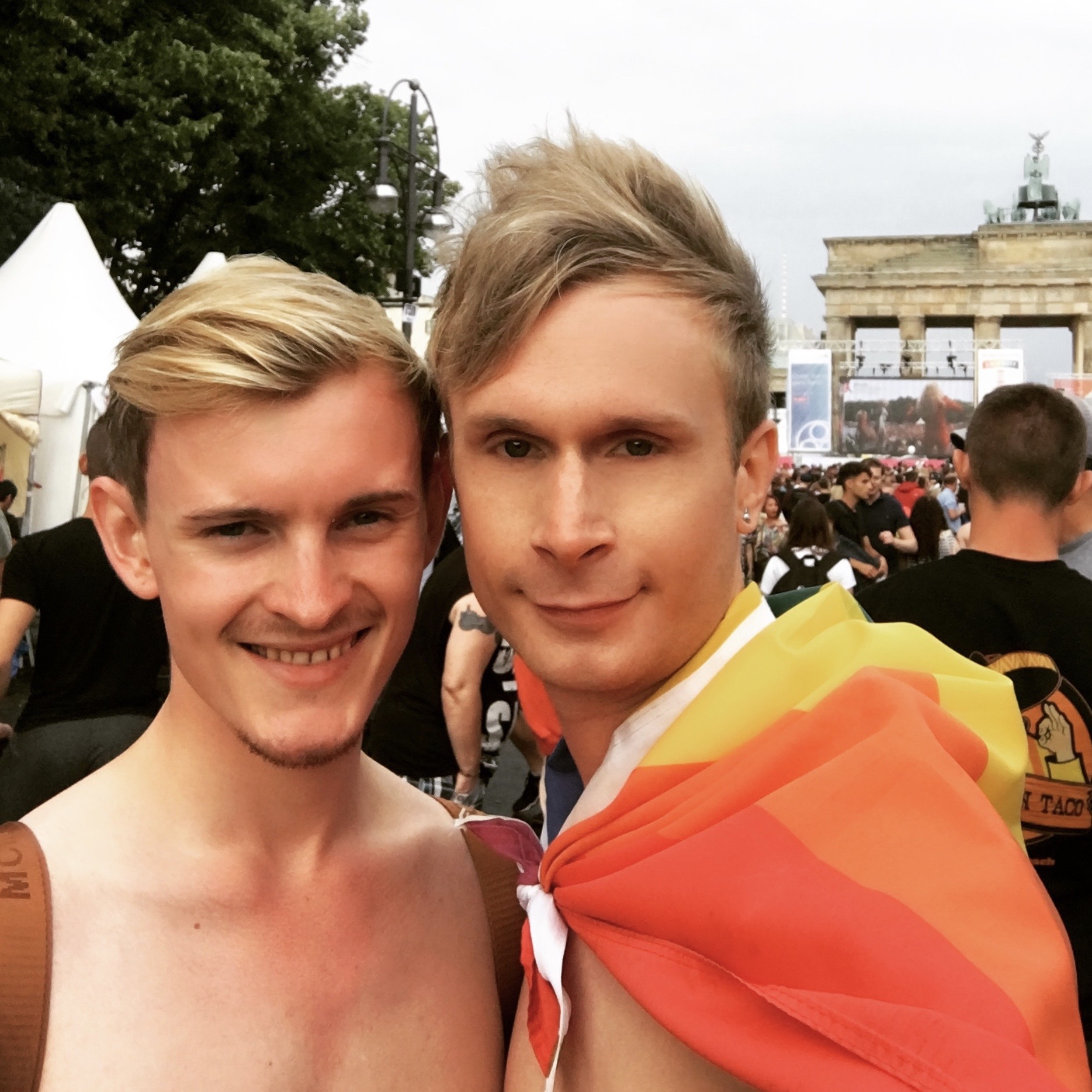
Boyfriends Who Travel is written by Joe Hodkinson and Alex Reade, a same-sex couple from the UK who travel, research, compare, and review LGBTQ+ travel from a practical reader-first perspective. We do not offer agency booking services. We are avid travellers who care about safety, value, logistics, and whether a place actually feels welcoming to LGBTQ+ people.
This page explains how we label our content, how we score reviews, how we handle affiliate links or hosted experiences, and how readers can challenge or correct something we publish.
Our Content Status Labels
We use content status labels so readers can immediately understand the evidence behind a guide.
First-hand visit means we personally visited the destination, hotel, event, flight, cruise, restaurant, beach, or neighbourhood discussed. These articles are based on our own experience, notes, photographs, receipts, conversations, and post-trip assessment.
Future event guide means the event has not happened yet or we have not attended that specific edition. These guides use official event information, local logistics, previous editions, comparable Pride/event experience, hotel availability, pricing checks, and clearly dated assumptions.
Researched planning guide means the article is designed to help readers plan. It may combine first-hand destination knowledge with official sources, public transport data, current pricing checks, venue research, and local safety context.
Hosted stay means a hotel, cruise line, tourism board, airline, or partner provided something free or discounted. Hosted support never guarantees positive coverage.
Paid personally means we paid for the relevant stay, flight, cruise, event, meal, or product ourselves.
If a post does not yet show a status label, treat it as legacy content awaiting a review pass.
What We Review
We review LGBTQ+ travel through the lens of a same-sex couple deciding whether something is worth booking, attending, or recommending to friends.
For hotels, we look at location, value, comfort, service, room quality, hidden costs, LGBTQ+ welcome signals, staff interactions, and whether the stay worked for the trip we were actually taking.
For flights and lounges, we look at price or points cost, seat comfort, service, food, reliability, lounge quality, baggage handling, connection stress, and whether the upgrade made sense.
For cruises, we look at cabin value, ship layout, dining, entertainment, LGBTQ+ inclusivity, service consistency, itinerary quality, and whether the sailing worked for couples.
For Pride events, we look at safety, logistics, crowd flow, cost, hotels, transport, political context, nightlife, and whether the event felt meaningful beyond the headline attendance number.
For destination guides, we look at legal safety, social comfort, neighbourhood choices, nightlife, transport, hotel strategy, costs, and the small practical details generic travel guides usually miss.
How Our Scores Work
Scores are a shorthand, not the full review. The full article always matters more than the number.
Our common scoring categories are:
| Category | What It Means |
|---|---|
| Inclusivity | Whether LGBTQ+ travellers are likely to feel seen, respected, and safe. |
| Value | Whether the experience justifies the price once hidden costs are included. |
| Comfort | Rooms, seats, cabins, crowding, facilities, sleep, noise, and overall ease. |
| Service | Staff attitude, responsiveness, consistency, and problem solving. |
Some reviews use additional context-specific criteria, especially for Pride events, cruises, flights, or planning guides. When we do that, the article explains the basis of the verdict.
A high score does not mean "luxury at any price." A modest hotel, economy flight, or free Pride event can score highly if it does its job well and treats LGBTQ+ travellers properly.
Affiliate Links, Hosted Experiences, And Money
Some pages may contain affiliate links. If a reader books or buys through one of those links, we may earn a commission at no extra cost to the reader.
Affiliate income does not decide our verdict. Hosted stays, gifted access, discounts, or press support must be disclosed clearly in the article. We do not accept payment for positive reviews, and we will publish weaknesses even when a brand has worked with us.
If we paid personally, we say so where that status is known. If a legacy article does not yet include a status label, we will add one during future review passes.
Future Event Guides
Future Pride and event guides are useful because many LGBTQ+ travellers need to book hotels and flights before every detail is confirmed. These articles are not written as if we have already attended that future edition.
For future events, we use:
- Official organiser dates, route maps, venue announcements, and ticket pages where available.
- Historic event patterns from previous years.
- Current hotel and transport checks.
- Comparable first-hand experience from similar Pride events.
- Clear publication and updated dates.
If major details change, we update the article rather than pretending the first version was final.
Corrections And Updates
Travel changes quickly. Hotels close, Pride routes move, laws change, venues rebrand, and prices shift.
We update time-sensitive guides when we catch a material change or when readers flag one. If you spot an error, send the page URL, the correction, and a source or first-hand context through the contact page.
When a correction changes the recommendation, we update the article and the updated date. Minor spelling or formatting fixes may not receive a separate note.
What We Will Not Claim
We will not claim to have visited a place, attended an event, or stayed at a hotel unless that is true.
We will not claim formal booking credentials we do not hold. Joe and Alex are passionate LGBTQ+ travellers and reviewers.
We will not call a hotel, destination, or event "gay-friendly" just because it uses rainbow branding. The actual test is how it treats LGBTQ+ guests, what the local context is, and whether we would recommend it to another same-sex couple.
Our Standard
The question behind every review is simple: would we tell another LGBTQ+ couple to spend their money, time, and emotional energy on this?
If the answer is yes, we explain why. If the answer is no, we explain that too.

Gay Krabi: The Honest Travel Guide for Couples Who Want Thailand's Romantic Beach
Krabi is Thailand's romantic-beach gay-couple alternative to Phuket's party-focused gay scene. Limestone karst cliffs, Railay Beach accessible only by longtail boat, Phi Phi Islands day trips, and Ao Nang as the resort base. Smaller gay-specific scene but properly welcoming culturally. Here's the year-round guide written by two gay men who've been three times.

Madrid Pride 2026: Europe's Biggest Pride (Complete Guide)
Madrid Pride 2026 runs June 27–July 6. Two million people, ten days, the whole city involved. Here's what actually matters: where to stay in Chueca, the parade route, which parties are worth the queue.

Amsterdam Canal Parade 2026: The Complete Viewing Guide
Amsterdam Canal Parade 2026 viewing guide: best spots, arrival times, logistics, and what 400,000 spectators won't tell you. Plan smarter.